

Data transfer and backup: Data can be transferred quickly, including files, photos, music, videos, etc. Users can back up important data to a USB flash drive to prevent data loss caused by problems with computers or other devices.
System boot and repair: USB flash drives can be used as boot media to load the operating system when the computer starts. You can use the system recovery tool on the USB flash drive to repair system errors.
Removable work environment: Some applications and operating systems can be installed on USB flash drives, creating a removable work environment. Users can use the same software and settings on different computers without having to repeat installation and configuration on each computer.
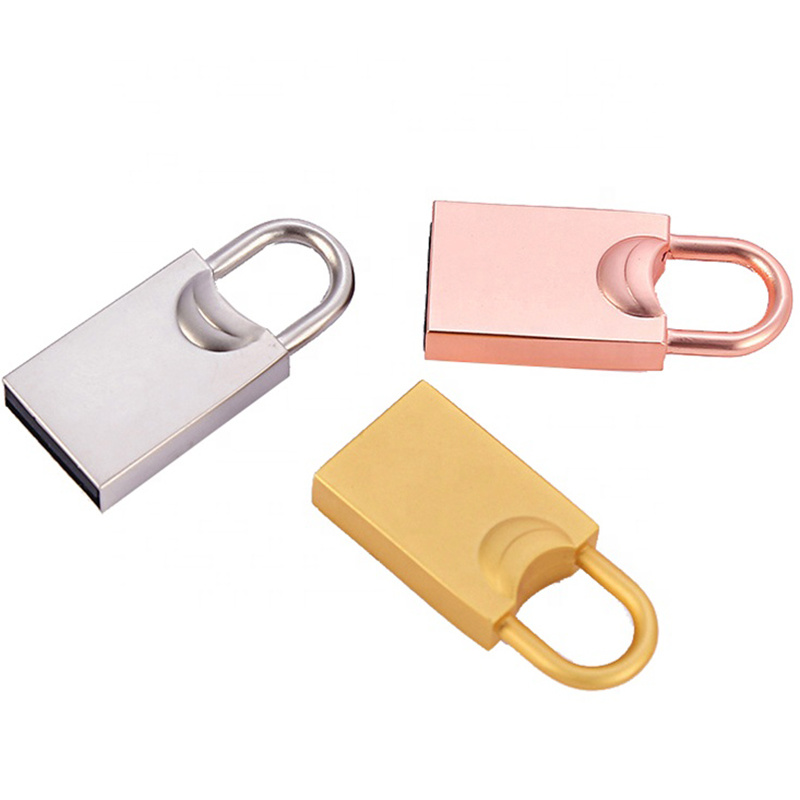
In addition to some of the functions and uses mentioned above, USB flash drives also have file sharing and transfer, extended storage for mobile devices, offline media playback, electronic device settings and firmware updates, temporary operating systems, and more.
Common U disks include traditional U disks, metal USB flash disk, mini U disks, wireless U disks, OTG USB flash disk, waterproof U disks and Type-C USB flash disk, etc. Users can choose the appropriate U disk type according to their own needs.